
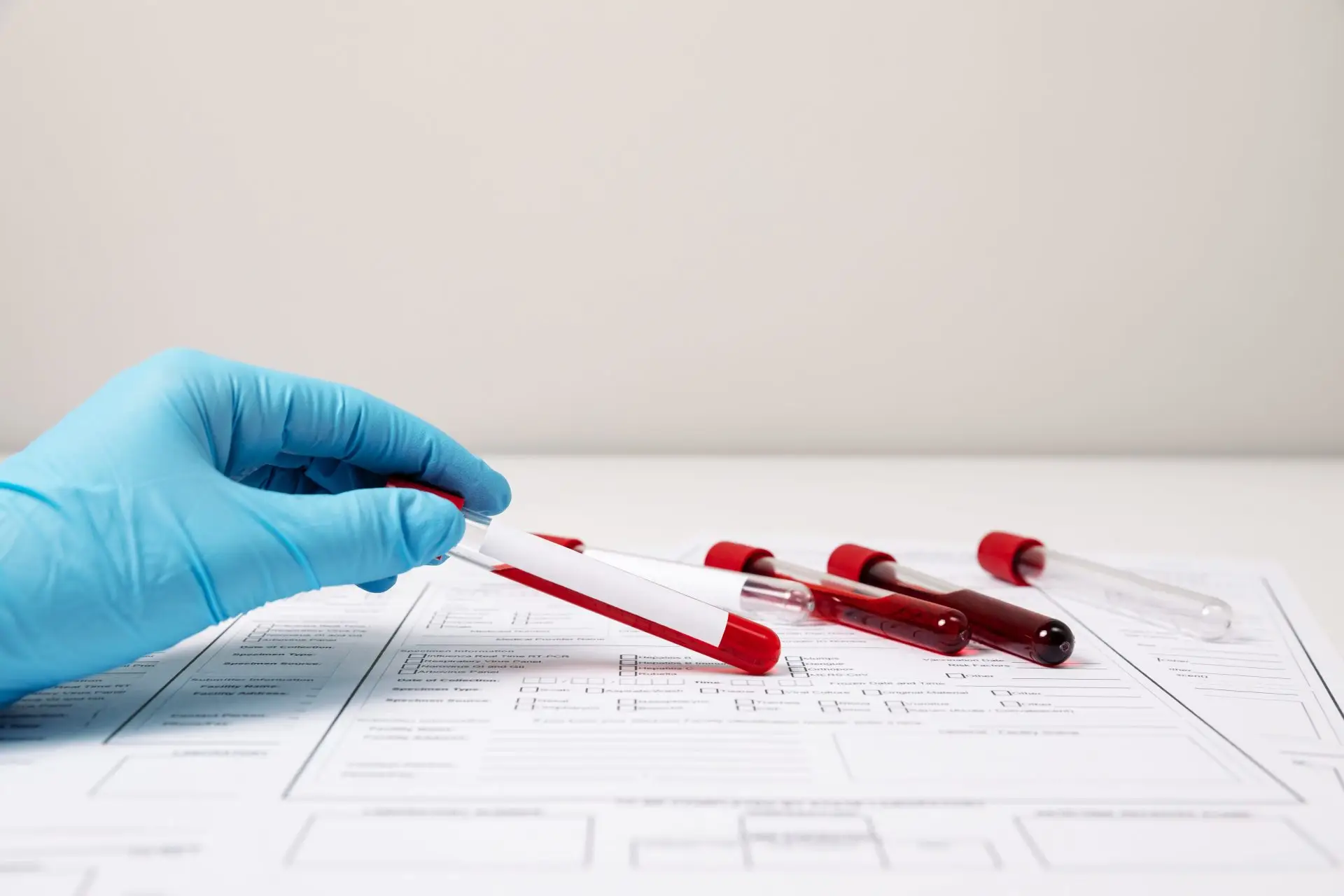
The average hospital in the UK processes hundreds, if not thousands, of specimens each day.
Blood samples, tissue biopsies, and other vital specimens are moved from patient to collection points and then onto laboratories for testing.
Multiply that by the number of hospitals, and the ever-increasing population, and that’s almost tens of thousands every day.
Yet despite the sheer volume of samples going through the system, current processes are still archaic and vulnerable to error.
And, when a specimen isn’t identified properly, it doesn’t end as a simple clerical error; it has far-reaching and potentially life-altering consequences.
What happens if a specimen isn’t identified properly?
Immediate patient impact
When a specimen isn’t identified properly, doctors interpret the results incorrectly, leading to an incorrect diagnosis and potentially unnecessary treatments.
For example, blood type mix-ups can risk fatal transfusion reactions and diabetic patients could receive incorrect insulin doses based on the wrong blood sugar readings.
Delayed diagnoses
When a specimen misidentification is spotted, all treatments and management grinds to a halt. New samples must be collected. New tests must be run while the patient goes untreated, potentially progressing to a more serious stage. Critical time – that some patients simply do not have – is lost to administrative work.
Legal and regulatory fallout
If your institution misidentifies a sample, the incident must be reported to a regulatory body, leading to increased scrutiny and potential fines. Patients affected by the error may seek compensation through legal action. Insurance companies may also refuse to make a payment for repeated tests.
Trust destroyed
The final, and possibly worst, effect of specimen misidentification is erosion of trust. Your staff morale suffers as they begin to second-guess their work. Patients lose faith in results from your institution even when they’re accurate. Finally, healthcare providers are forced to spend more time double and triple checking results for fear of administering the wrong treatment and damaging their own reputations.
In an industry where accuracy is everything, any error can chip away at public confidence in your laboratory’s reputation and ability to deliver trustworthy results.
In the future, the volume of samples will only continue rising, thanks to an ageing population and increasingly complex medical treatments.
So, you need to eliminate the worry about what happens if a specimen isn’t identified properly.
This is why MSoft developed Sample360.
It’s a comprehensive specimen management system specifically for healthcare facilities.
This complete system tracks, traces and manages medical specimens throughout their entire journey electronically.
Sample360 isn’t a technological upgrade, it’s peace of mind.
You no longer have to worry about what happens if a specimen isn’t identified properly; your staff can work without fear of making mistakes, and your patients can trust that their test results are actually theirs.
